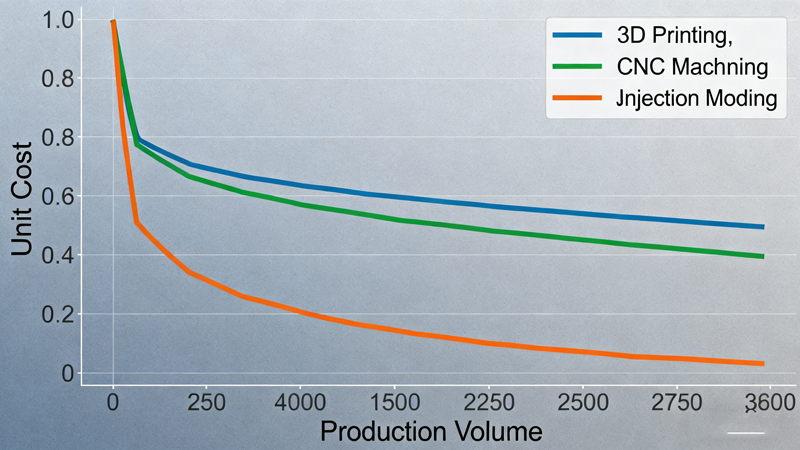
One of the most common questions in product development is, “How much will a plastic prototype cost?” The answer is rarely simple, as the price is not a single number but the result of a complex interplay of factors. Understanding these cost drivers in plastic prototype manufacturing is essential for effective budgeting and for making strategic decisions that can save you thousands of dollars down the line. This guide provides a transparent breakdown of what you’re paying for. Primary Cost Drivers in Plastic Prototyping 1. The Manufacturing Process: Your choice of process is the single biggest factor affecting cost, and its impact changes with the quantity of parts you need.
 2. Part Design and Complexity:
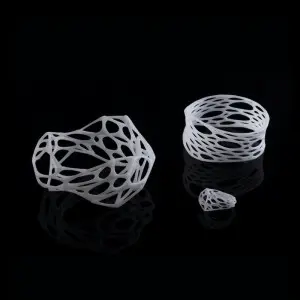
- 3D Printing: Has the lowest initial cost and setup time. It is cost-effective for 1-5 parts. However, the cost per part remains relatively constant, so it becomes expensive at higher volumes.
- CNC Machining: Has a moderate initial cost (machine programming and setup) and a higher cost per part than 3D printing for small quantities. It becomes less economical for batches over 50-100 units due to machining time and material waste.
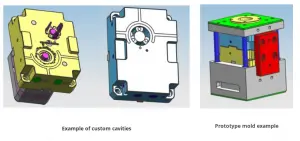
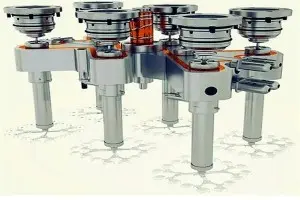
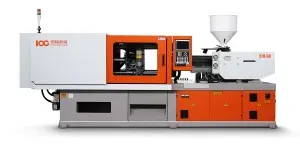
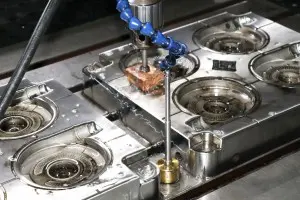
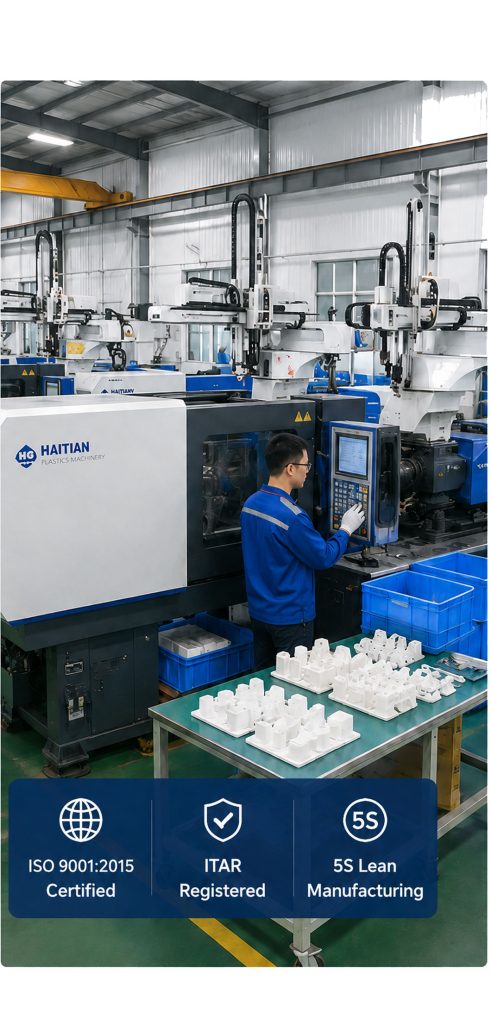
- Low-Volume Injection Molding: Has the highest initial cost due to the design and fabrication of the mold. However, once the mold is made, the cost per part is extremely low. This makes it the most cost-effective solution for any volume beyond 50-100 parts, with savings increasing dramatically as quantities rise.
2. Part Design and Complexity:
- Size: Larger parts require more material and longer machine time, increasing cost.
- Complexity: Intricate geometries with fine details, thin walls, deep pockets, or complex curves require more sophisticated programming, longer machining or printing times, and potentially special tooling, all of which add cost.
- Tolerances: Requiring extremely tight tolerances (±0.001″ instead of ±0.005″) demands more precise equipment and longer processing time, increasing the price.
- Standard plastics like ABS and PP are generally the most affordable.
- Engineering-grade plastics like Polycarbonate, PEEK, or Ultem command a higher price due to their enhanced properties (e.g., high heat resistance, strength).
- Specialized materials, such as biocompatible or flame-retardant grades, are the most expensive.
- Basic: Sanding, trimming, and support removal.
- Cosmetic: Painting, texturing, polishing, or pad printing.
- Functional: Assembly, ultrasonic welding, or installing threaded inserts.
- Detailed CAD files (STEP or IGS format is preferred).
- The desired material.
- The required quantity.
- Any critical tolerances or cosmetic requirements.
- Q: What is the cheapest way to get a single plastic prototype? A: For a single, non-functional part to check form, FDM 3D printing is typically the most cost-effective option. For a single, functional part, CNC machining might be necessary but will be more expensive.
- Q: Why is there an initial “tooling” cost for injection molding prototypes? A: The tooling cost covers the design, programming, and machining of the custom aluminum mold itself. This is a precision piece of hardware that is essential for the process. While it’s an upfront cost, it is what enables the very low per-part price.