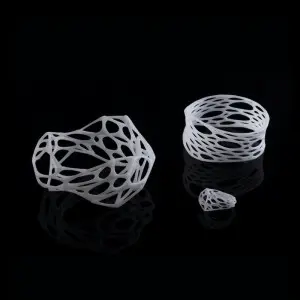
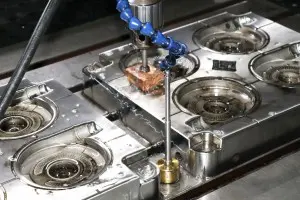
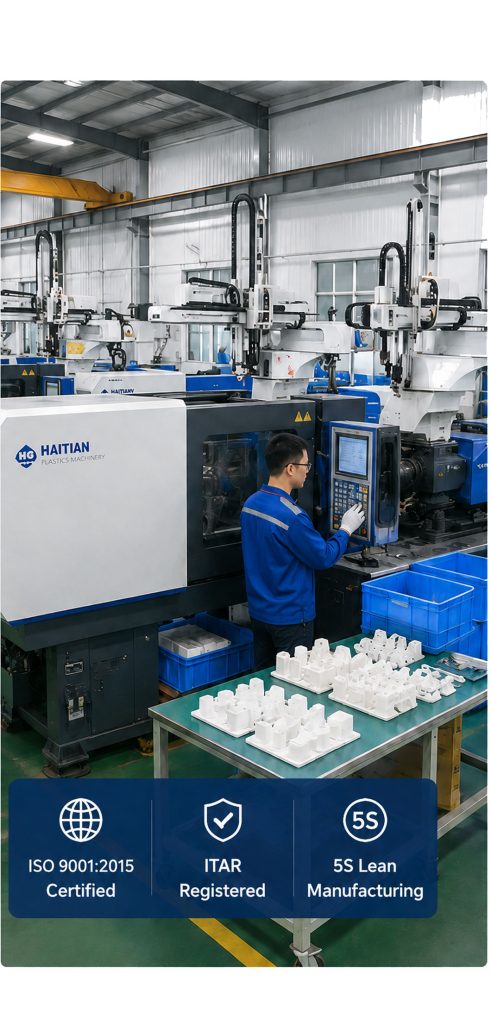
Process Differences: LSR Molding uses Liquid Injection Molding (LIM) technology, where liquid silicone rubber (LSR) is injected into a mold and cured at high temperatures. 3D Printing builds objects layer by layer directly from a digital model, eliminating the need for molds. Material Differences: LSR Molding primarily uses liquid silicone rubber (LSR), which is known for its flexibility, high-temperature resistance, chemical resistance, and biocompatibility. It is widely used in medical and baby products. 3D Printing offers a variety of materials, including plastics, metals, ceramics, and resins, depending on the specific 3D printing technology (such as FDM, SLA, or SLS). Production Speed: LSR Molding is ideal for high-volume production because it has short cycle times (typically seconds to a few minutes per part). 3D Printing is suitable for low-volume or custom production, but it takes much longer to produce a single part, sometimes several hours or more, especially for large or high-precision parts. Cost Comparison: LSR Molding requires mold fabrication, leading to high initial costs but low per-unit costs, making it cost-effective for mass production. 3D Printing does not require molds, making it ideal for small-batch production or customized parts, but per-unit costs are higher, especially for large-scale manufacturing. Precision and Quality: LSR Molding provides high precision, smooth surfaces, and excellent mechanical properties, making it ideal for high-performance applications such as medical devices and automotive seals. 3D Printing, due to its layer-by-layer process, may have visible layer lines, and its mechanical properties and surface finish may not be as refined as traditional molded parts, especially for high-strength or high-flexibility silicone parts. Application Scenarios: LSR Molding is widely used in medical, automotive, electronics, and baby products, such as catheters, pacifiers, seals, and waterproof buttons. 3D Printing is suitable for rapid prototyping, complex structures, and small-batch custom parts, such as concept validation, personalized medical devices, and low-volume electronic enclosures. The Combination of LSR Molding and 3D Printing: In recent years, 3D Printed Injection Molds have been increasingly used in LSR Molding production. For example: Using 3D printing to create LSR molds, replacing traditional metal molds to reduce development costs and shorten production cycles. Ideal for small-batch production or design validation, allowing manufacturers to test silicone product feasibility before full-scale production. Which Process Should You Choose? If your goal is to quickly validate a silicone product design, 3D printed molds + LSR molding could be a great solution. If you need high-volume production of high-quality silicone parts, traditional LSR molding is the more cost-effective choice.
Similar Posts
What Is The Prototyping Mold ?
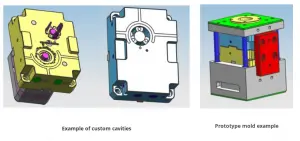
About Prototype Mould Prototype mould is generally used for testing the new design before mass production. In order to save the cost, the prototype mould have to be cheap. And mould life could be short, as low as several hundreds shots. Material – Many injection molder prefer to use aluminium 7075-T6 Mould Life – Maybe…
What is hot runner mold ?
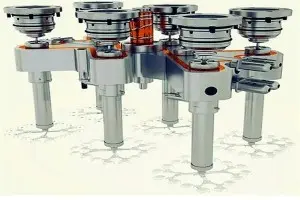
Hot runner mold is a common technology used to make the large size part like the 70 inch TV bezel, or high cosmetic appearance part. And it is also exploited when the raw material is expensive. Hot runner, as the name means, the plastic material is staying molten on the runner system, called manifold, and is…
Introduction Of Injection Molding Machine
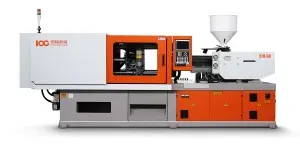
About Injection molding machine Mould or tooling is the key point to produce the high precision plastic molded part. But the mold would not move by itself, and should be mounted on the injection molding machine or called press to form the product. Injection molding machine is rated by tonnage or force, the smallest as…
Things Should Be Known When Design Plastic Parts
You have a very good idea for a new product, but after completing the drawing, your supplier tells you that this part can not be injection molded. Let’s see what we should notice when designing a new plastic part. Wall thickness – Maybe all plastic injection molding engineers would suggest to make the wall thickness as…
3D Printing Technology
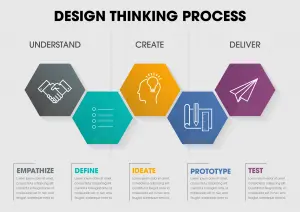
A prototype can be used as an earlier sample, model, or release of a product built to test a concept or process. … A prototype is generally used to evaluate a new design to enhance precision by system analysts and users. Prototyping serves to provide specifications for a real, working system rather than a theoretical one….
Edm Technology
Electrical Discharge Machining (or EDM) is a machining method used to machine any conductive materials including hard metals which are difficult to machine with traditional techniques. … The EDM cutting tool is guided along the desired path very close to the work but it does not touch the piece. Electrical Discharge Machining, which can be divided into three common…